
01 · Shelter
Frequently asked questions
What funders and program teams ask us most, plus further reading.
FAQ
What types of assets can Shelter distribute?
Stablecoins, native tokens and custom token standards on any EVM-compatible chain, including USDC, USDT, cUSD (Celo) and project-specific tokens for vouchers or conditional transfers. Stellar and Cardano deployments are also supported.
How does Shelter handle areas with poor internet connectivity?
Shelter delivers to an SMS wallet and connects to mobile money providers such as M-Pesa, so beneficiaries can receive and use funds from a basic phone without internet access.
Is Shelter open source?
Yes. The core disbursement engine and smart contracts are open source, so other organizations can audit and build on the code. Digital Public Good certification is in progress with UNICEF.
What was the AidLink pilot?
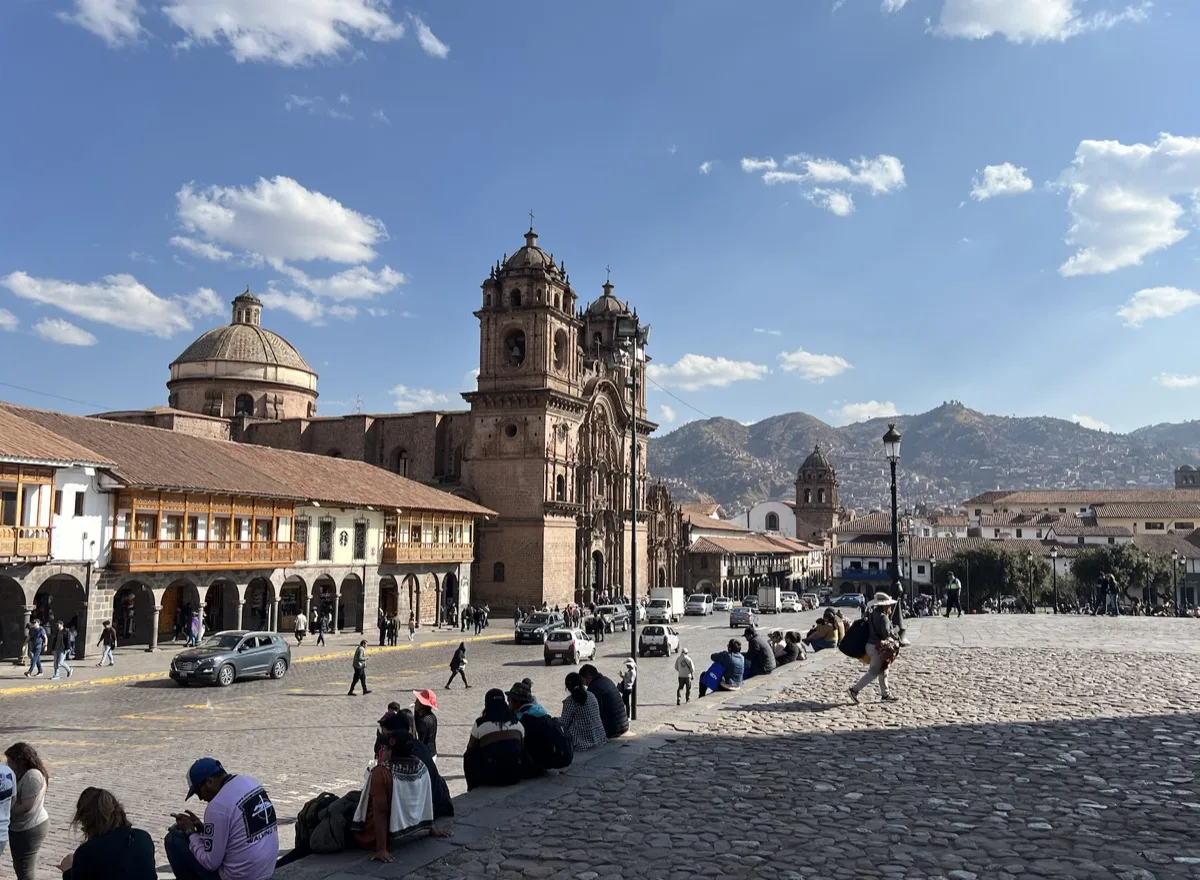
AidLink is one of the pilots in which Shelter was validated, supported by UNICEF Venture Fund, in a consortium with Rumsan and Kotani Pay. In Cusco, Peru it reached 270 beneficiaries with over $15,000 distributed.
How fast is a transfer, really?
On-chain settlement takes under 2 minutes. The full cash-out to M-Pesa depends on the off-ramp: in Kenya it averaged 19 minutes, with 79.6% of transfers completing seamlessly and the fastest taking 1 minute.
Does Shelter put personal data on the blockchain?
No. Fund flows are public and auditable, but names, phone numbers and other personally identifiable information are never stored on-chain.
Further reading
- AidLink Kenya Pilot: 100% of Stablecoin Transfers Reached Beneficiaries (opens in a new tab)
- Caracas, Fe y Alegría and blockchain: direct aid to 30 educators with no middlemen, no friction (opens in a new tab)
- From Cusco to Kenya: How the Hardest Environments Built the Best Infrastructure (opens in a new tab)
- Humanitarian Aid Infrastructure for Low or No Connectivity Environments — Pilot in Cusco, Peru (opens in a new tab)
- UNICEF Digital Wallet: Financial Inclusion for 4M+ People (opens in a new tab)
Each solution can start with a focused pilot in one country and grow on the same infrastructure.
Plaza de Armas, Cusco, where the first SMS wallet purchases took place · Photo: Xcapit