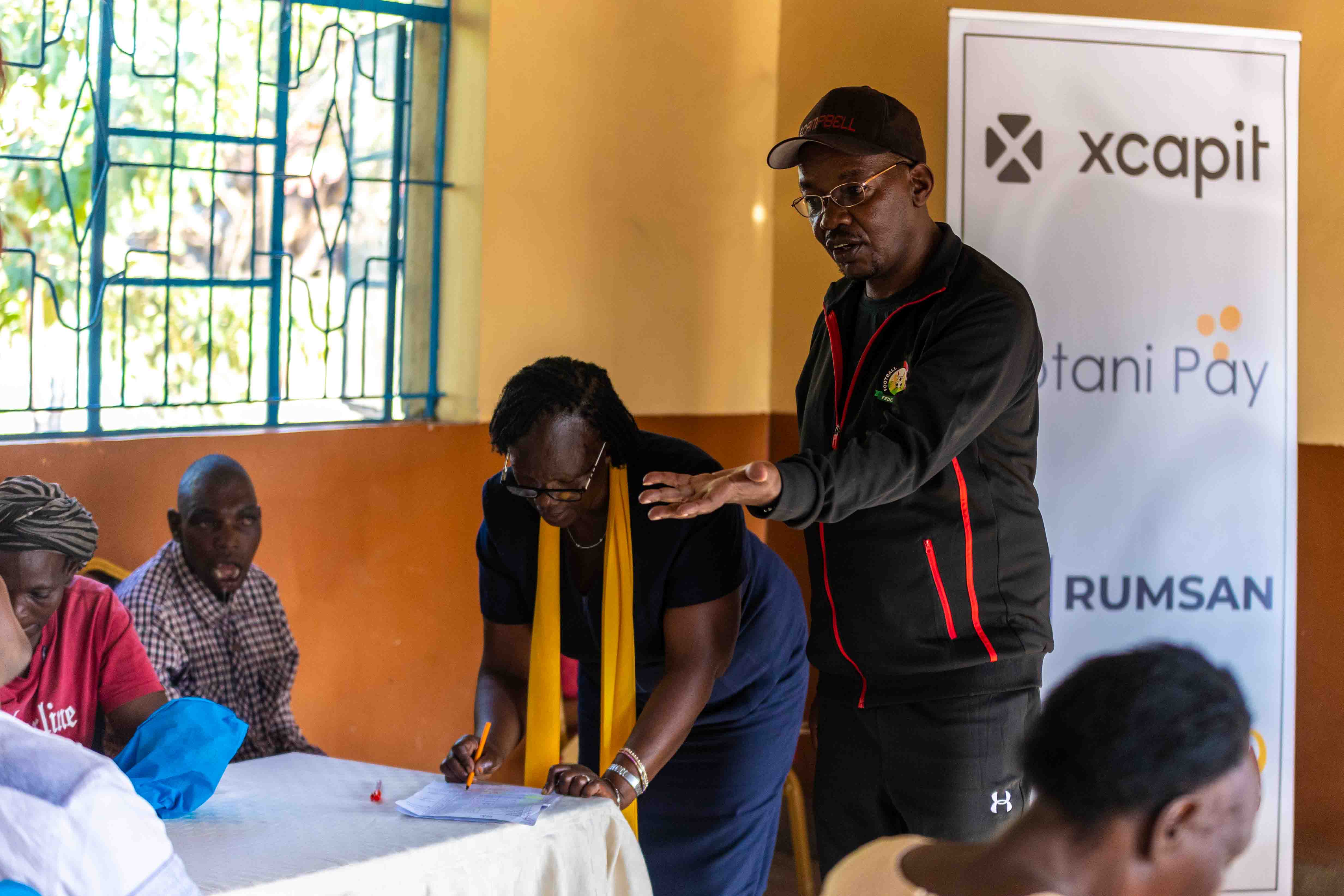

Field training session in Nairobi in front of an AidLink pilot banner

Open source · DPG certification in progress · ISO 27001

Money, aid or resources to whoever needs them — no bank account, no smartphone, no internet — with real-time reporting and visibility of every delivery.

View deckDownload PDF

Beneficiaries reached
1,185+
Distributed in aid
USD 15,000+
Deliveries completed
100%
Cost per on-chain transaction
~0.01 USD

Across Shelter field pilots, 2024–2026. Includes the Nairobi 2026 pilot, whose results are not yet published.

Field training session, AidLink pilot, Nairobi · Video and photo: UNICEF Venture Fund

What Shelter solves

  • Reaches anyone

    • No bank account, no smartphone, no internet: an SMS wallet on any basic phone
    • In stablecoins, with on-chain settlement in under 2 minutes
    • Spent at local shops or exchanged to local currency and mobile money, such as M-Pesa
  • Real-time visibility

    • Every delivery is recorded instantly: how much, where, when and the status of each disbursement
    • Audit-ready reports for donors, regulators and auditors, plus a public dashboard
    • No personal data on-chain: names and phone numbers are never stored on the blockchain

Backed by

  • UNICEF Venture Fund
  • Stellar Development Foundation
  • Open source
  • ISO 27001

The problem

Cash and voucher assistance now makes up a fifth of humanitarian aid, but the plumbing behind it was built for another era: correspondent banks, opaque fund flows and multi-day settlement.

  • 15–30¢

    of every aid dollar consumed by intermediary costs, by the most generous estimates

  • 3–5 days

    typical settlement time for a traditional cross-border humanitarian payment

Source: Xcapit analysis of AidLink and UNICEF humanitarian cash transfers (opens in a new tab)

How it works

Shelter is Xcapit's end-to-end infrastructure for distributing impact assets, from enrollment to the moment a person spends. It has been validated in field pilots in Cusco, Nairobi and Caracas, AidLink among them.

  1. Register

    Enroll with a phone number

    Organizations enroll beneficiaries and create wallets in bulk from phone numbers only. Verification integrates with existing identity and registration systems.

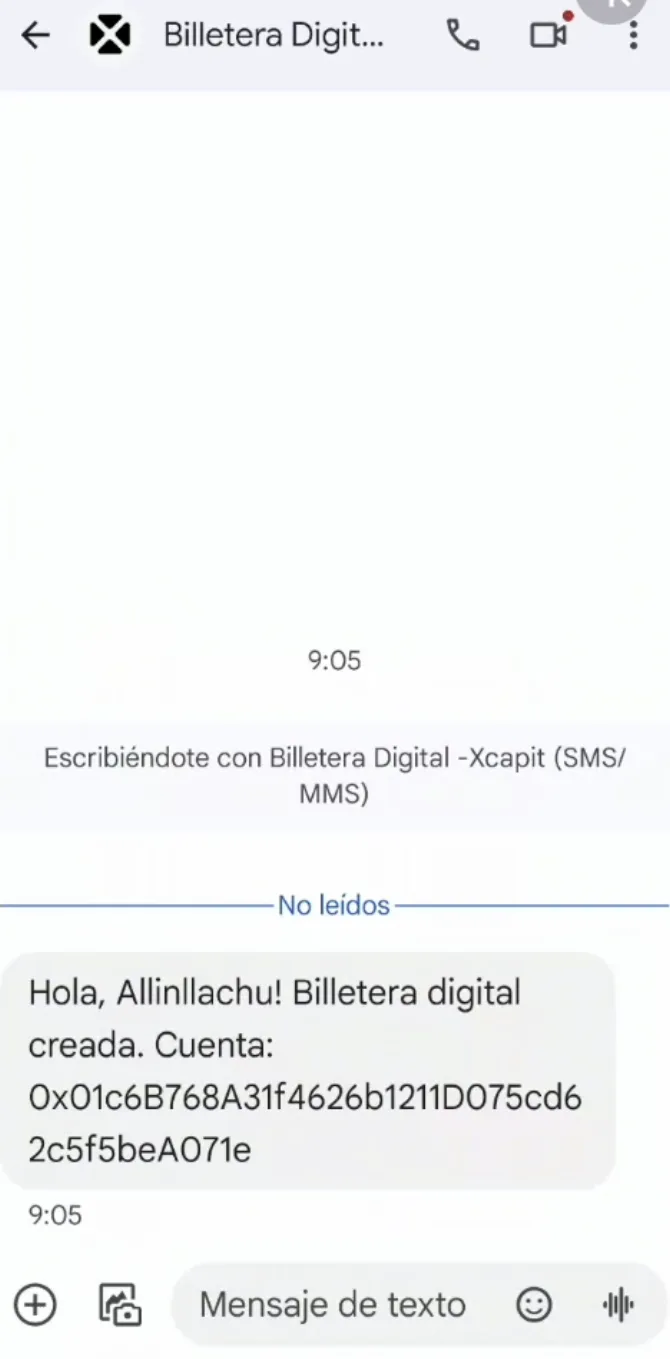
    SMS on a phone screen greeting the user in Quechua: Hola, Allinllachu! Billetera digital creada.
    Wallet created by SMS, greeting in Quechua · Photo: Xcapit
  2. Configure

    Rules in smart contracts

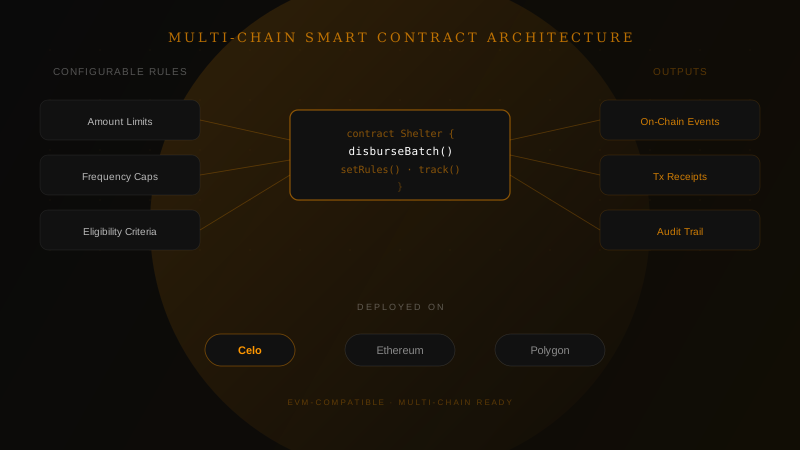
    Eligibility, amounts, schedules and restrictions are encoded as smart-contract rules for automatic, tamper-proof execution, on any EVM-compatible chain.

    Shelter smart contract distribution flow
  3. Disburse

    To any basic phone

    Stablecoins (USDC, USDT) reach a non-custodial SMS wallet on any basic phone, with no internet or bank account. On-chain settlement takes under 2 minutes, tracked in real time.

    Disburse

    < 2 minon-chain settlement

    • USDC
    • USDT
    • SMS
  4. Use

    Spend or cash out

    Beneficiaries pay at local shops and supermarkets with a one-time passcode by SMS, as in Cusco's markets and at FORUM in Caracas, or cash out to local currency through mobile money such as M-Pesa in Kenya. Every transaction is auditable, with no personal data on-chain.

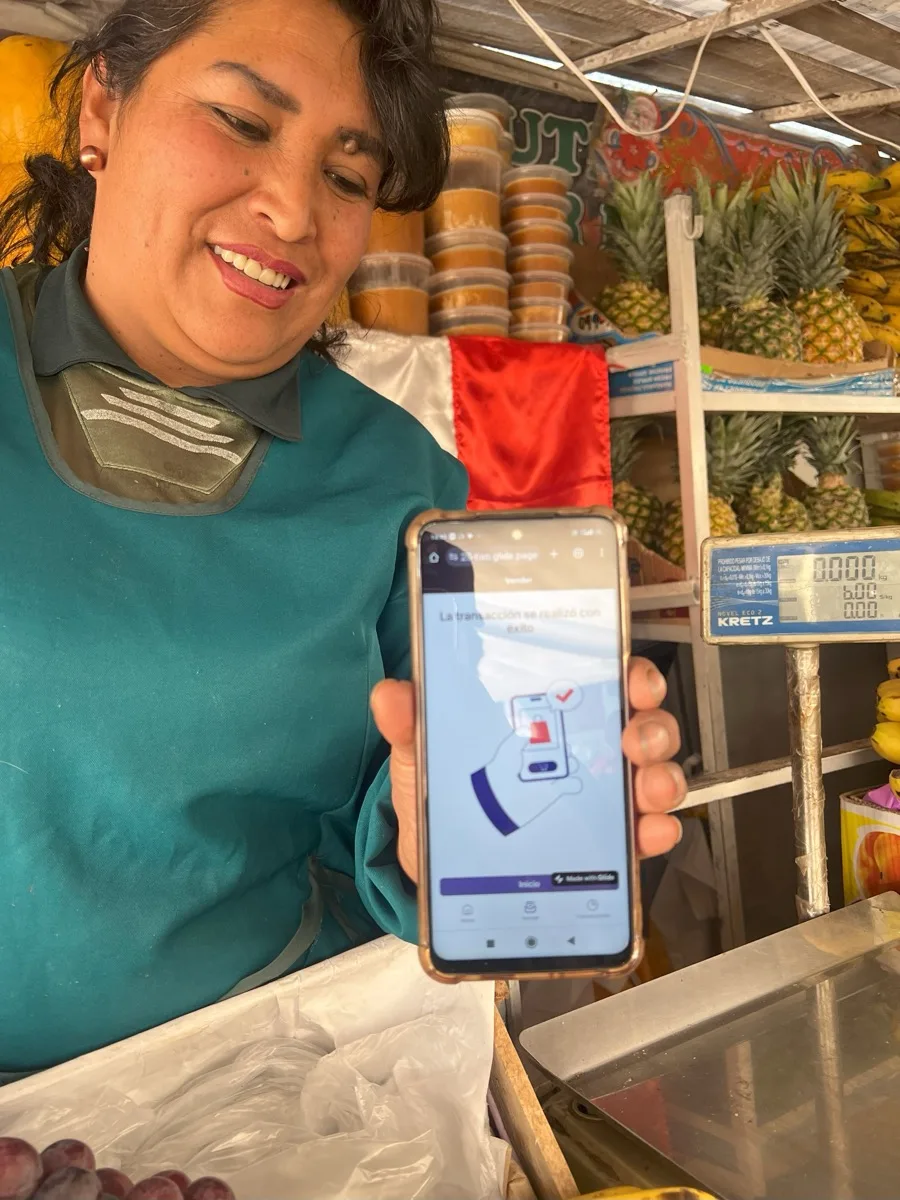
    Close-up of a smiling market seller in Cusco holding up her phone with the wallet
    Market seller, Cusco, Peru · Photo: Xcapit

An SMS wallet for basic phones

Beneficiaries do not need a smartphone, an app or internet access.

  • 01Account abstraction on Polygon: the wallet is tied to the phone number, with no private keys for the user to manage.
  • 02Create a wallet, check a balance, send and receive stablecoins by text message.
  • 03Pay at shops with a one-time passcode (OTP) confirmed by SMS.
  • 04Messages in the local language, including Quechua in Peru.

See it on a basic phone

SMS wallet flow (demo)
Merchant platform (demo)

Full transparency over funds, full privacy over people

Every disbursement is recorded on-chain and can be audited through a public Dune dashboard. Personally identifiable information, such as names or phone numbers, is never stored on-chain.

Estimated technical integration: 2 weeks

Shelter plugs into your registration system and your last-mile provider, so you keep the partners you already work with.

Capabilities

  • 01

    Configurable disbursement rules

    Define eligibility criteria, distribution schedules and amount thresholds. Rules are encoded in smart contracts for automatic, tamper-proof execution.

  • 02

    Multi-chain settlement

    Deploy on any EVM-compatible chain: Celo, Polygon, Arbitrum or private networks. On-chain settlement takes under 2 minutes, with full auditability.

  • 03

    Real-time tracking

    Monitor every disbursement from initiation to beneficiary receipt, with live status, geographic distribution and anomaly detection.

  • 04

    Beneficiary verification

    Integrate with identity providers and registration systems. Support for biometric, SMS-based and document verification flows.

  • 05

    Last-mile delivery

    Connect to mobile money providers, bank transfers and cash-out networks. Designed for low-connectivity environments where traditional banking fails.

  • 06

    Compliance and reporting

    Generate audit-ready reports for donors, regulators and oversight bodies. Every transaction is immutably recorded with full provenance.

Technology adapts to the problem, not the other way around

Shelter works across blockchain ecosystems. We choose the chain that best fits each deployment context.

  • Solidity

    EVM networks

    Polygon, Celo, Arbitrum, Ethereum. Production-proven smart contracts for high-throughput, low-cost disbursement.

  • Soroban

    Stellar

    Built for cross-border payments and financial inclusion, with native stablecoin support for remittance corridors.

  • Aiken

    Cardano

    Formal verification and academic rigor for high-assurance deployments, ideal for government and institutional programs.

Field pilots

Shelter has been tested with real beneficiaries in Peru, Kenya and Venezuela, with support from the UNICEF Venture Fund. If it works for people with the highest access barriers, it works for everyone.

A note on speed: on-chain settlement takes under 2 minutes. The full cash-out to M-Pesa in Kenya averaged 19 minutes, with 79.6% of transfers (39 of 49) completing seamlessly and the fastest in 1 minute.

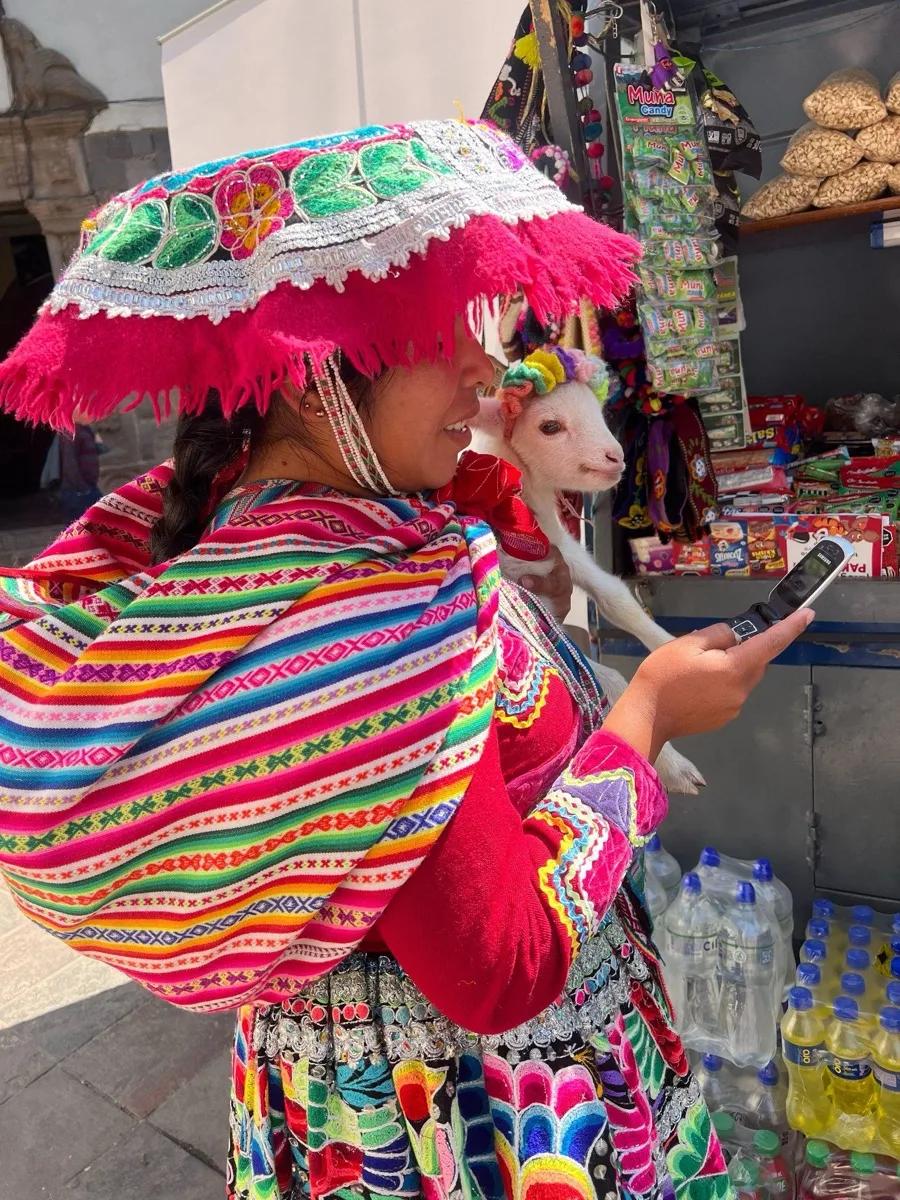
A Quechua woman in traditional dress uses a basic phone in Cusco, Peru
Photo: Xcapit

Cusco, Peru · August 2024

SMS wallet validation

A first field test of the SMS wallet with real purchases in the Plaza de Armas and local markets, with wallet messages in Quechua.

purchases
10
success rate
100%
total in USDT/USDC
$18.25
per purchase (gas + SMS)
~$0.27
More details
  • Smallest purchase: $0.10, proving micro-payments work.
  • Account abstraction on Polygon; messages in Quechua.
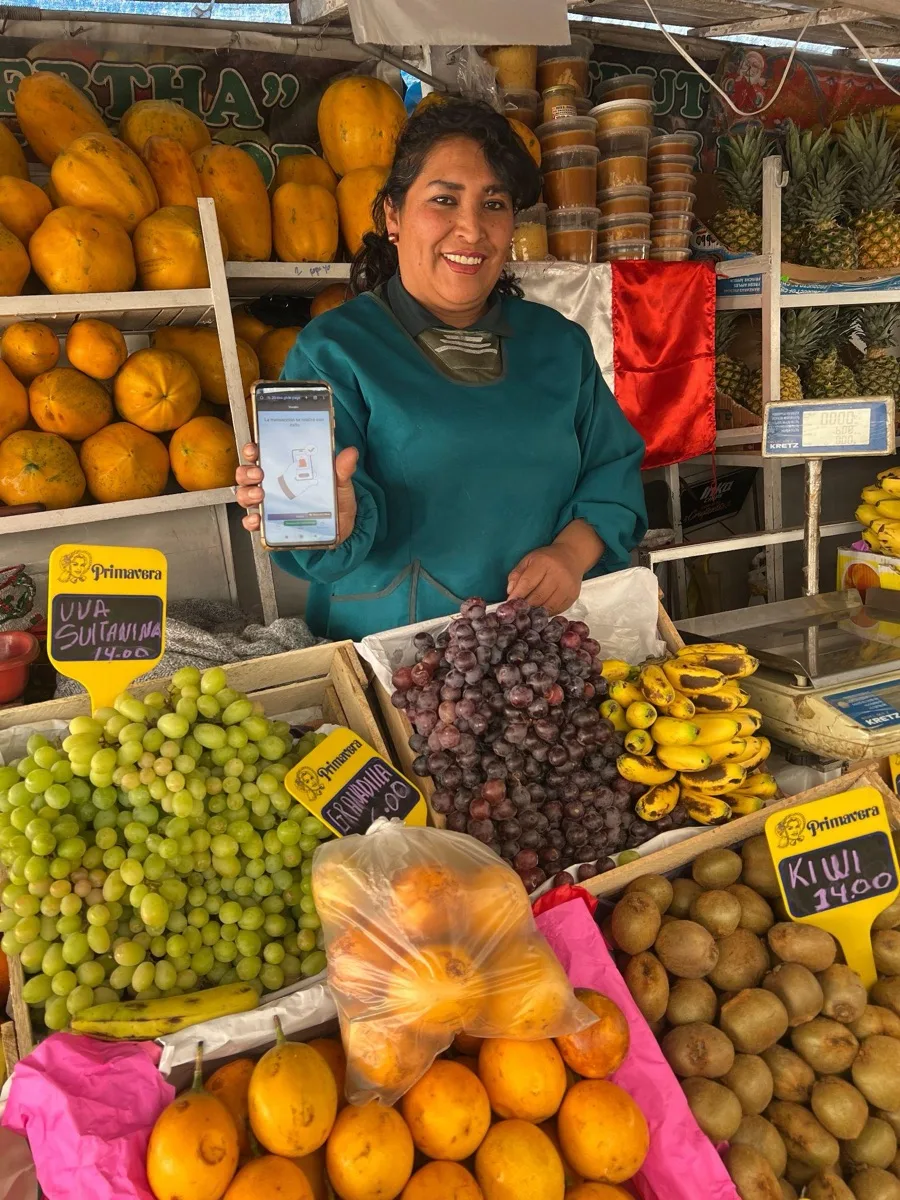
A fruit seller at a Cusco market shows the wallet on her phone
Photo: Xcapit

Cusco, Peru · 2024

UNICEF Venture Fund

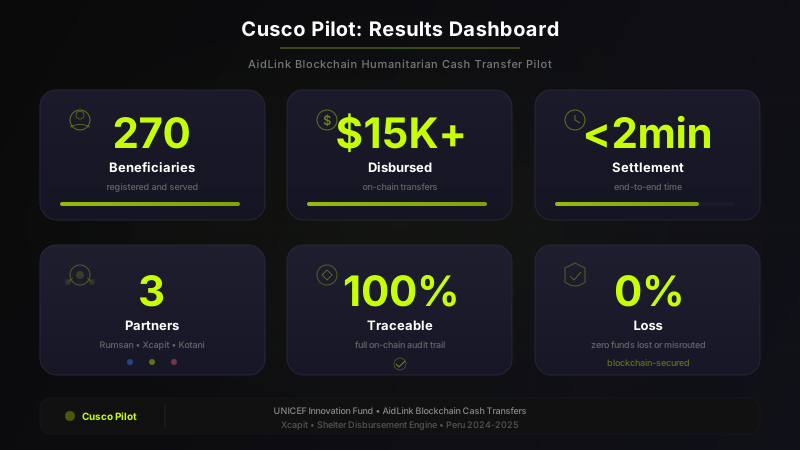
Shelter in the AidLink pilot, with consortium partners Rumsan (beneficiary registration and blockchain infrastructure) and Kotani Pay (conversion to local-currency mobile money), operated by a local NGO after a 2-hour training.

beneficiaries
270
distributed
$15,000+
on-chain settlement
< 2 min
of funds reached wallets
100%
More details
  • Full on-chain traceability for every dollar.
  • Near-zero transaction fees on Celo.
Cusco pilot results dashboard: 270 beneficiaries, over $15K disbursed, settlement under 2 minutes, 100% traceable
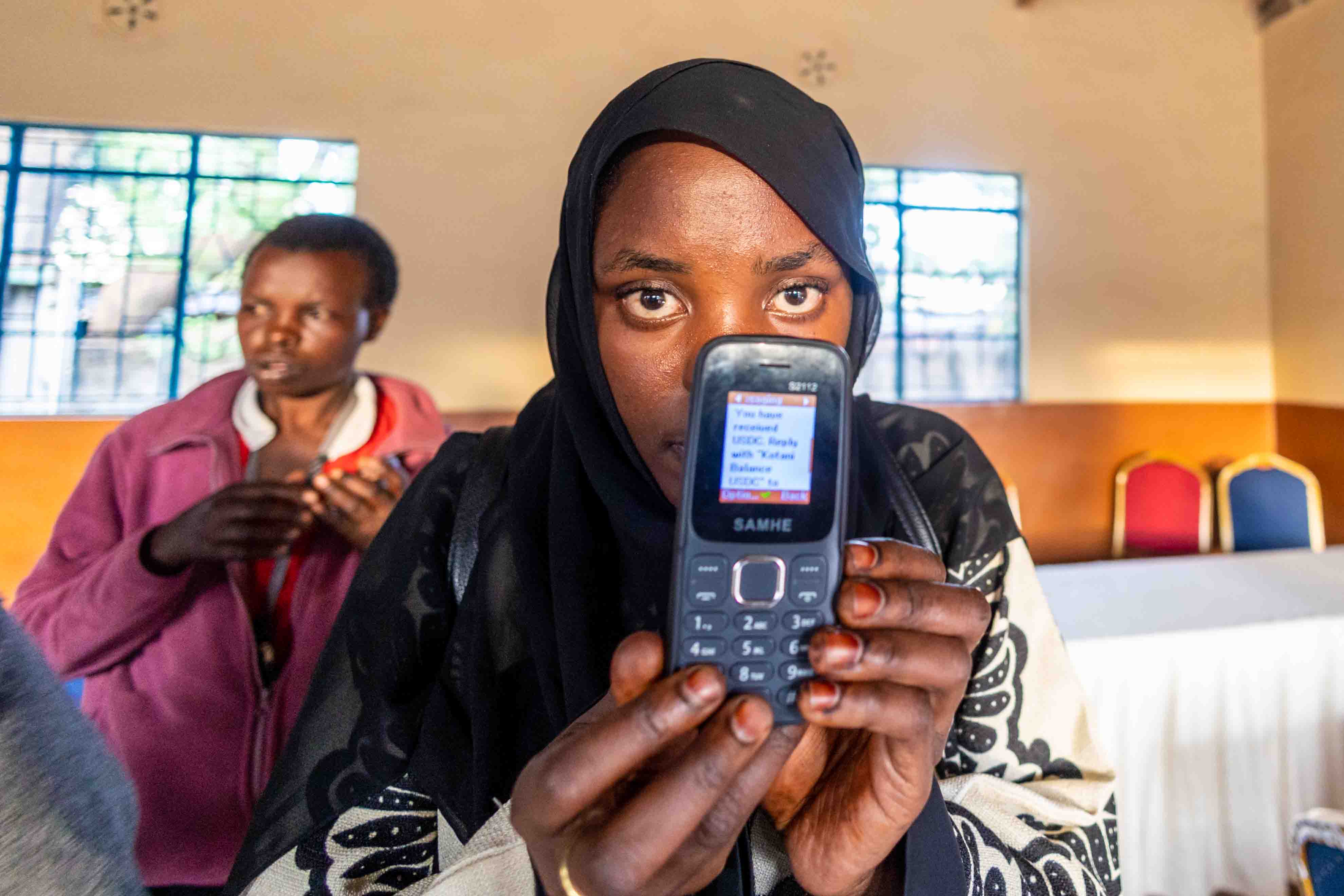
A woman in a hijab holds a basic feature phone toward the camera during the AidLink pilot in Nairobi, Kenya
Photo: UNICEF Venture Fund

Greater Nairobi, Kenya · December 2025

AidLink Kenya

UNICEF Venture Fund

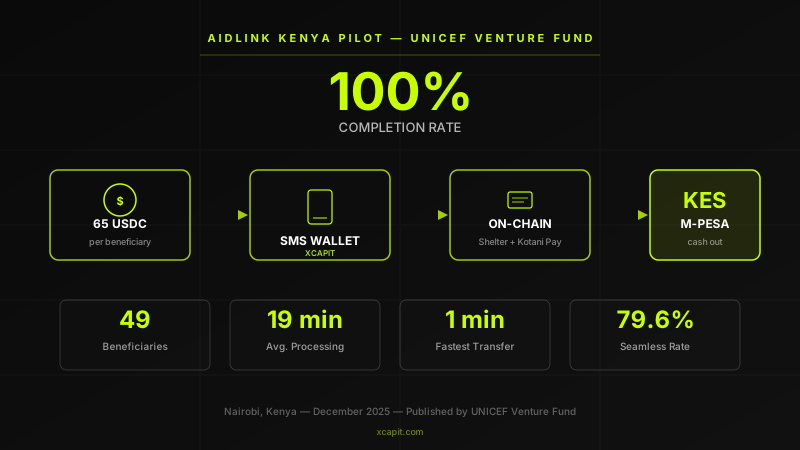
49 people with intellectual disabilities, identified by Advantage Africa, received USDC by SMS wallet and cashed out to M-Pesa. The UNICEF Venture Fund published the results on 10 March 2026.

beneficiaries
49
each
65 USDC
disbursed and off-ramped
100%
seamless, avg. 19 min
79.6%
More details
  • Fastest cash-out: 1 minute.
  • Delays came from RPC outages and a temporary KES liquidity shortage.
  • Lessons: add USSD, simplify SMS commands, pre-fund the off-ramp.
  • Consortium partners of the AidLink pilot: Rumsan (beneficiary registration and blockchain infrastructure) and Kotani Pay (conversion to local-currency mobile money).

“Operating in real humanitarian settings highlighted challenges related to infrastructure, connectivity, and coordination. These experiences reinforced that technology must remain simple, flexible, and context-aware.”

José Trajtenberg, CEO, Xcapit
AidLink Kenya pilot summary: 49 beneficiaries, 65 USDC each, 100% completion, 19 minutes average, fastest transfer 1 minute, 79.6% seamless
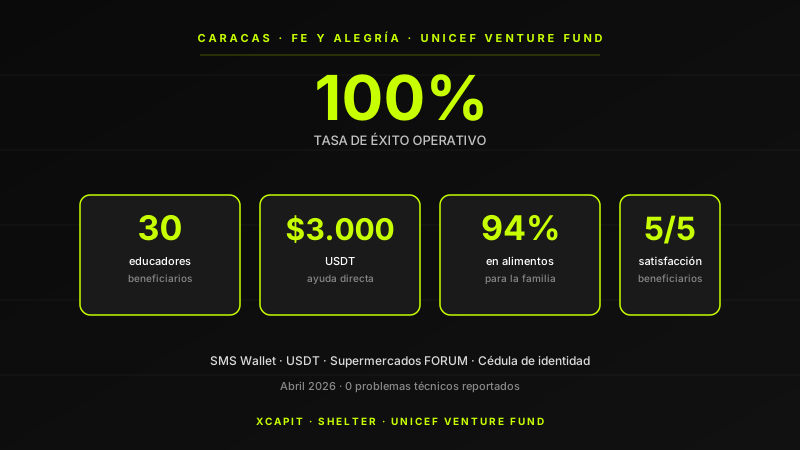
Caracas pilot results: $3,000 USDT to 30 educators, 94% spent on food, 5/5 satisfaction

Caracas, Venezuela · April 2026

Fe y Alegría educators

UNICEF Venture Fund

30 educators from the Virginia de Ruiz II school received $100 USDT each (total $3,000) in wallets created by SMS and redeemed them at FORUM supermarkets with their national ID.

educators
30
in USDT
$3,000
spent on food
94%
per transaction
$0.01
More details
  • 100% operational success, 0 technical issues, 5/5 satisfaction.
  • 63% completed the redemption in a single visit.

“Walking through the FORUM aisles, I saw the joy on my colleagues' faces. Many were able to save the money they had set aside for food and finally buy something else.”

José Quiroz, Planning Coordinator, Virginia de Ruiz II School, Fe y Alegría

Nairobi, Kenya · 2026

Second Kenya deployment

A further field deployment in Nairobi.

Results coming soon

Last mile

Redemption at supermarkets and local shops; exchange to local currency via M-Pesa in Kenya; funds earmarked for a defined purpose when the program requires it.

Backed by

  • UNICEF Venture Fund
  • Stellar Development Foundation
  • Open source; Digital Public Good certification in progress with UNICEF

In the field

Moments from Xcapit field work with communities and partners.

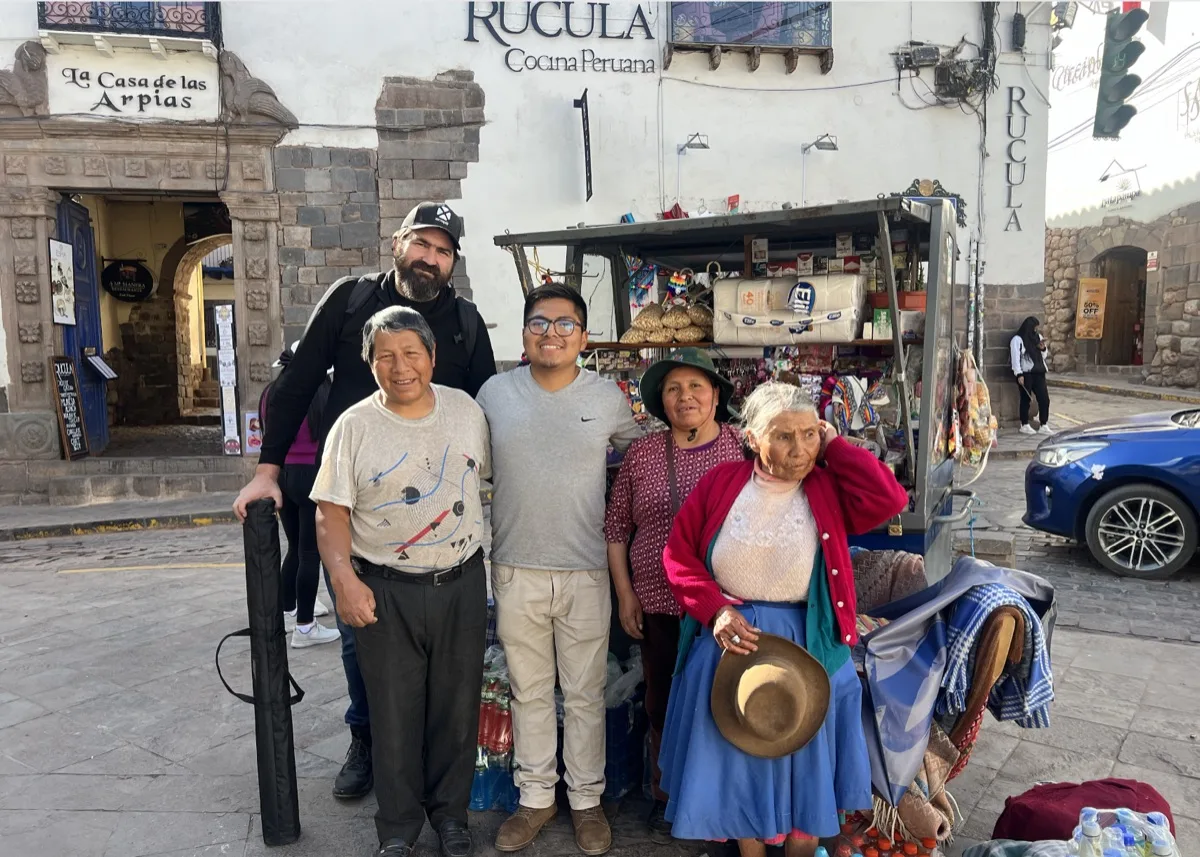
  • The Xcapit team with local participants on a street in Cusco, Peru
    Xcapit team and local participants, Cusco · Photo: Xcapit
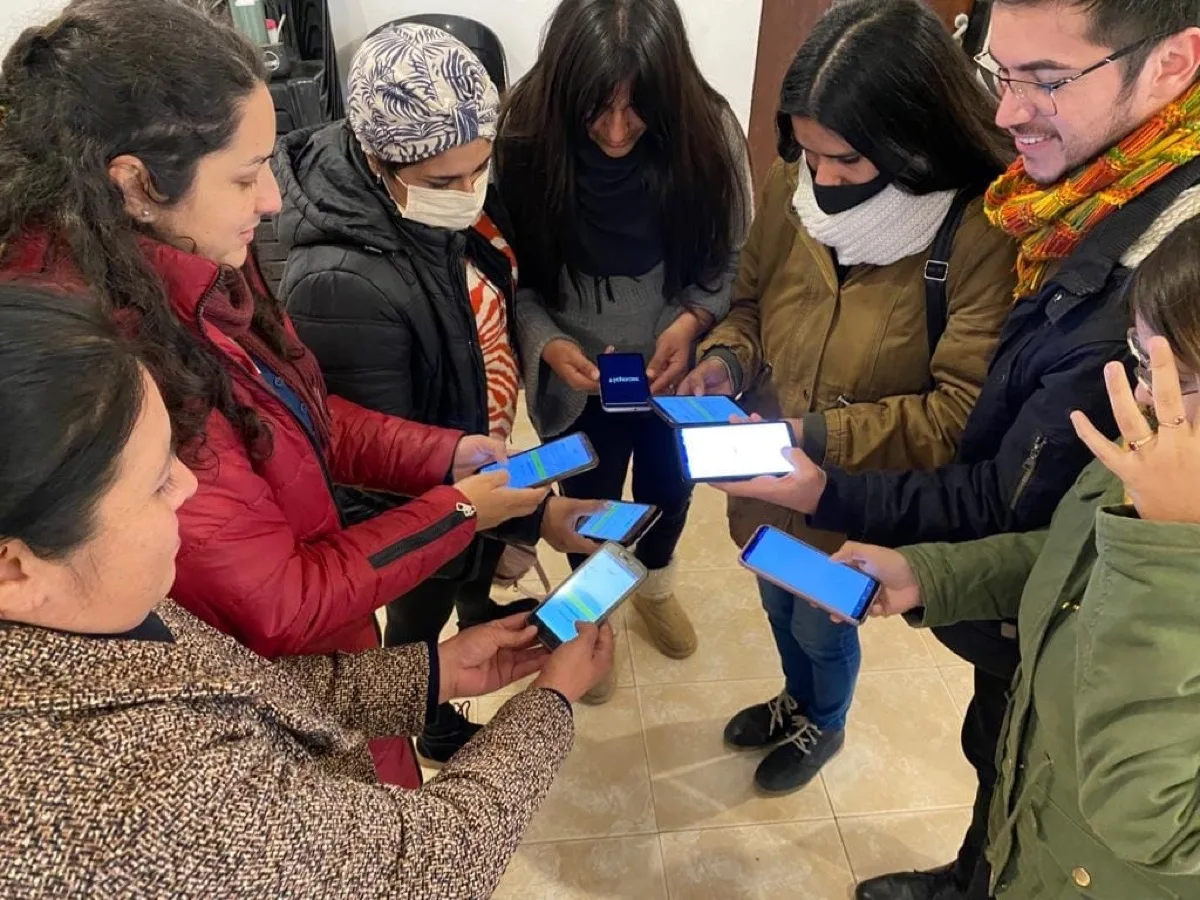
  • A group of young people hold their smartphones together during Xcapit field work with communities
    Xcapit field operations with communities · Photo: UNICEF Venture Fund
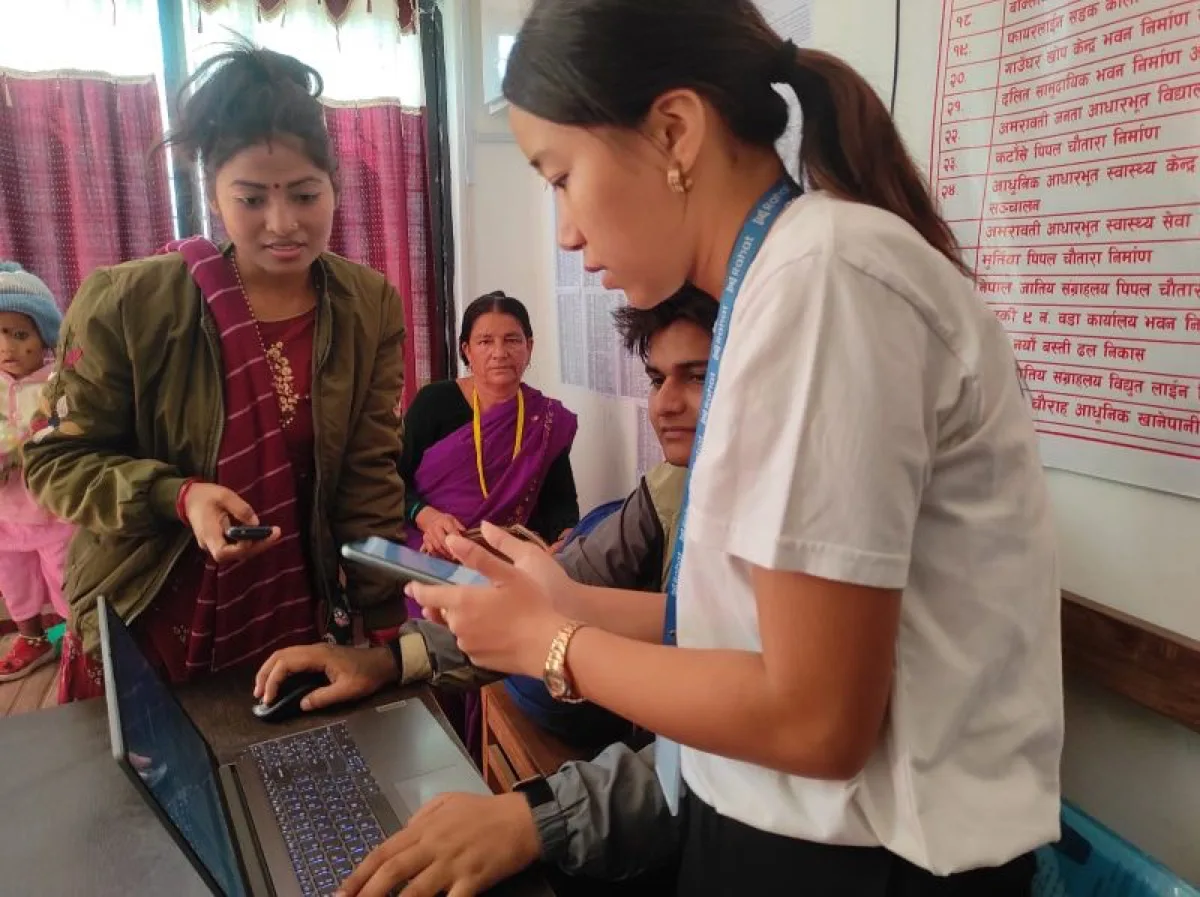
  • An Xcapit team member helps beneficiaries using a laptop and phones in a UNICEF-backed program
    Working with beneficiaries in a UNICEF-backed program · Photo: UNICEF Venture Fund

Use cases

  • 01

    Humanitarian organizations

    Distribute emergency aid, cash transfers and vouchers with full traceability and donor accountability.

  • 02

    Government agencies

    Deliver social subsidies, conditional cash transfers and incentive programs with transparent disbursement and anti-fraud controls.

  • 03

    Companies

    Manage employee benefits, CSR programs and community investment funds with automated distribution and compliance reporting.

Roadmap

Vision 2026

From infrastructure proven in field pilots to a full platform for impact asset distribution at global scale.

  • 01Multi-currency support, including stablecoins and CBDCs
  • 02SDK and API for third-party integration
  • 03AI-powered fraud detection and anomaly alerting
  • 04Self-service portal for NGOs and government agencies

Backing

AidLink pilot · Cusco and Nairobi

Caracas pilot · 2026

  • Fe y Alegría

    Pilot partner in Caracas

  • FORUM

    Supermarket redemption in Caracas

FAQ

What types of assets can Shelter distribute?

Stablecoins, native tokens and custom token standards on any EVM-compatible chain, including USDC, USDT, cUSD (Celo) and project-specific tokens for vouchers or conditional transfers. Stellar and Cardano deployments are also supported.

How does Shelter handle areas with poor internet connectivity?

Shelter delivers to an SMS wallet and connects to mobile money providers such as M-Pesa, so beneficiaries can receive and use funds from a basic phone without internet access.

Is Shelter open source?

Yes. The core disbursement engine and smart contracts are open source, so other organizations can audit and build on the code. Digital Public Good certification is in progress with UNICEF.

What was the AidLink pilot?

AidLink is one of the pilots in which Shelter was validated, supported by UNICEF Venture Fund, with consortium partners Rumsan (beneficiary registration and blockchain infrastructure) and Kotani Pay (conversion to local-currency mobile money). In Cusco, Peru it reached 270 beneficiaries with over $15,000 distributed and on-chain settlement in under 2 minutes.

How fast is a transfer, really?

On-chain settlement takes under 2 minutes. The full cash-out to M-Pesa depends on the off-ramp: in Kenya it averaged 19 minutes, with 79.6% of transfers completing seamlessly and the fastest taking 1 minute.

Does Shelter put personal data on the blockchain?

No. Fund flows are public and auditable, but names, phone numbers and other personally identifiable information are never stored on-chain.

Plaza de Armas in Cusco, Peru, under a blue sky

Each solution can start with a focused pilot in one country and grow on the same infrastructure.

Plaza de Armas, Cusco, where the first SMS wallet purchases took place · Photo: Xcapit