
05Shelter BridgeIn development
Shelter Bridge connects the funder, the implementing NGO and the person receiving aid in one open ledger. Grants are held in stablecoins, released by milestone and traced down to each purchase.
Shelter Bridge is in development. We are looking for funders and NGOs to run the first pilot grant with us.
How a grant moves
- 1
Funder
Deposits the grant in stablecoins and sets the rules
- 2
Grant vault
Holds the funds and releases them by milestone
- 3
Implementing NGO
Verifies beneficiaries and approves milestones
- 4
Beneficiary
Receives on Shelter, spends at local shops or cashes out
Every step on a public impact dashboard
The problem
Institutional aid budgets are shrinking and NGOs are turning to corporate and private philanthropy. That capital asks the same questions every time: how much reaches people, how much stays in overhead, and when.
Funders give blind
Money leaves as a wire transfer and comes back months later as a manual report.
Overhead is a black box
Donors can’t see how much of each dollar reaches the people it is meant for.
The chain is split
Fundraising, disbursement and reporting run on different systems that don’t talk to each other.
How it works
Shelter Bridge adds the funder side and the grant logic on top of Shelter’s delivery infrastructure, already used in field pilots.
- 01
Fund
The funder deposits the grant in stablecoins such as USDC or USDT. Funds stay in a grant vault, not in an intermediary account.
- 02
Set the rules
Milestones, allowed spending categories, deadlines and what happens to unspent funds are written into a smart contract that both sides approve.
- 03
Release by milestone
When the NGO reports a milestone with its evidence, the vault releases the next tranche to beneficiaries’ wallets.
Runs on Shelter - 04
Spend and trace
Beneficiaries pay at local shops or cash out to mobile money. Each movement appears on the grant’s public dashboard.
Runs on Shelter
Three sides, one product
Funder
Proof, not reports
- See where every dollar is, in real time
- Set milestones, spending categories and deadlines
- Recover unspent funds automatically
- Export evidence for ESG and CSR reporting
Implementing NGO
An edge to win the grant
- Offer end-to-end traceability in the proposal
- Less manual reporting and lighter audits
- Receive funds in minutes, not weeks
- Show its efficiency with public data
Beneficiary
The money arrives
- An SMS wallet on any basic phone, no internet needed
- Messages in the local language
- Pay at local shops or cash out to mobile money
- No personal data on-chain
Use case · Illustrative example
What is one line in an annual report today becomes a record any funder can open: 100% of the grant reaches the beneficiary, and every dollar can be followed.
| Date | Movement | From → To | USD | Proof |
|---|---|---|---|---|
| Mar 03 | Deposit into the “Resilient fisheries” grant vault | Foundation → Vault | 500.00 | 0x9f…a21c |
| Mar 05 | Milestone 1 approved: beneficiary verified | Vault → Beneficiary wallet | 500.00 | 0x3b…77e0 |
| Mar 09 | Solar freezer (allowed category) | Beneficiary → Verified vendor | −410.00 | 0x3b…8c12 |
| Mar 12 | Cash-out for ice and fuel | Beneficiary → Mobile money | −90.00 | 0x3b…9d44 |
| Reached the beneficiary | 500.00 | 100% | ||
Illustrative example: program, amounts and transaction hashes are fictional. Network costs are around USD 0.01 per transaction; the cost of cashing out to local currency depends on the provider in each country.
- 01FlagshipShelterValue to anyone, visible in real timeSee more
- 02Anticipatory emergency preparednessAid arrives before or immediately after a disasterSee more
- 03Real-asset collateralLivestock as collateral to access creditSee more
- 04Provenance and impact certificationWe prove where a product comes from and the impact it createsSee more
- 06Research prototypeVerifiable Policy RegistrySo anyone can check what is blocked on school internetResearch prototype (v0.6.0): contracts not audited, no public deployment.See more
If you fund programs or run them, we’d like to design the first Shelter Bridge pilot with you.
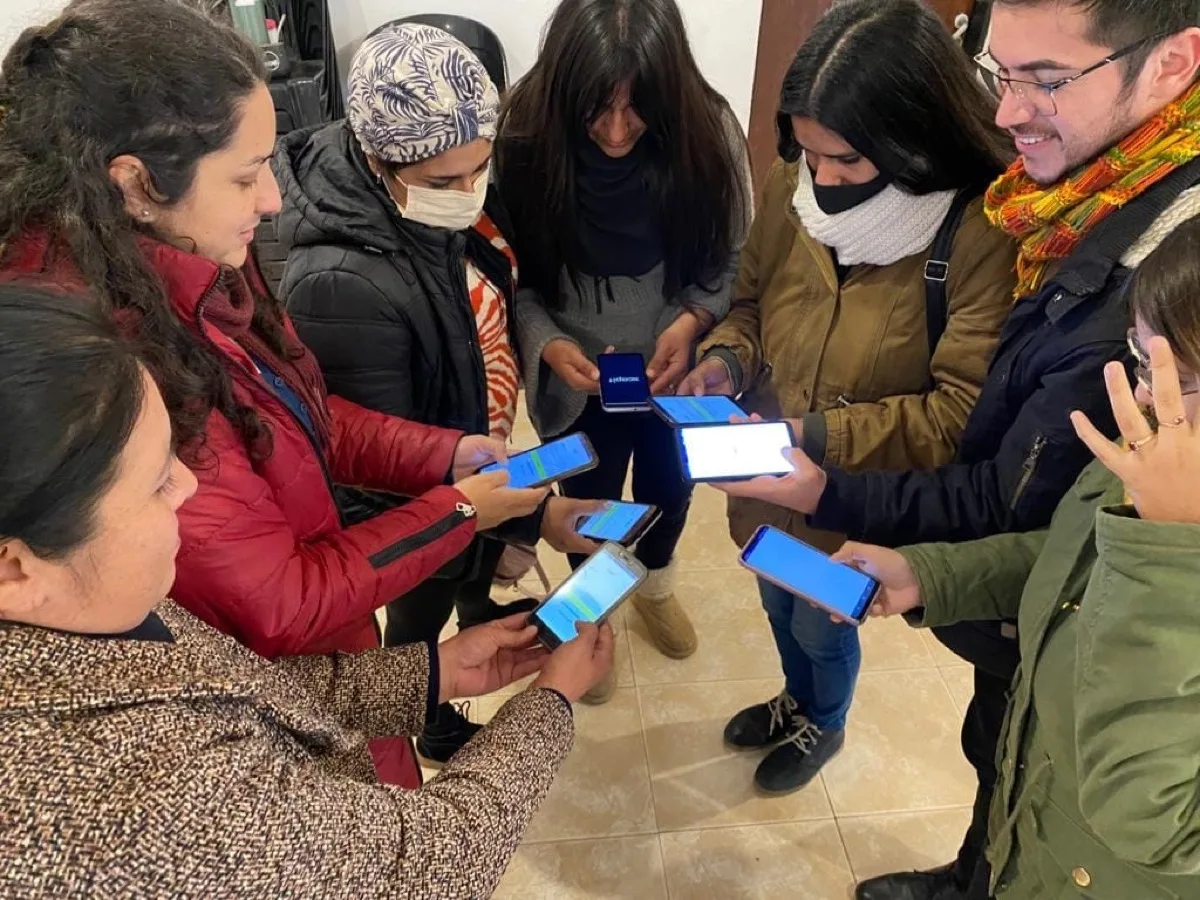
Xcapit field operations with communities · Photo: UNICEF Venture Fund