
04 · Provenance and impact certification
Cases and EUDR
The renewable-energy case with EPEC and how it applies to the EU deforestation regulation.
Use case
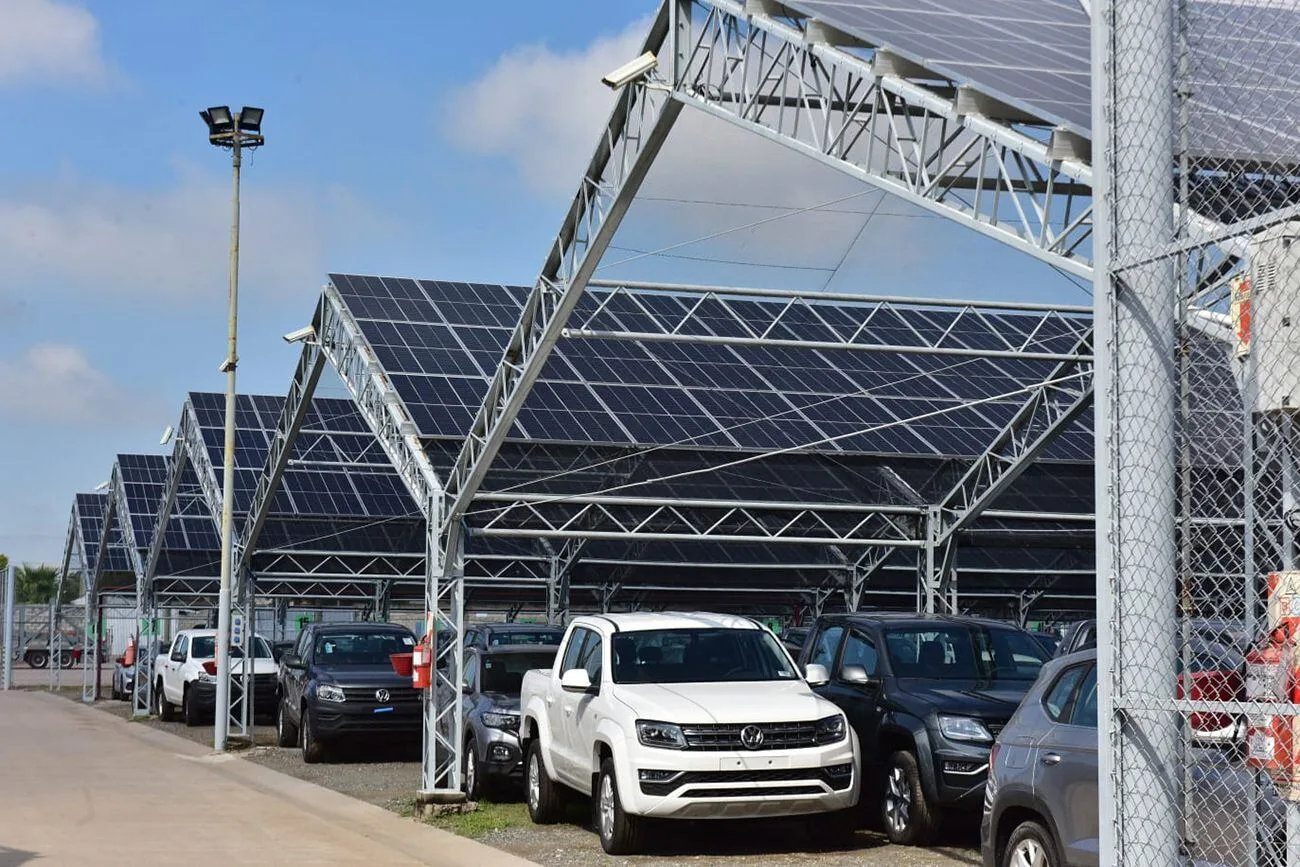
At the Mundo Maipú community solar park, in Greater Córdoba, the first in Argentina to tokenize its generation, every kWh injected into the grid becomes tokens and, with them, verifiable certificates. Before, renewable energy certificates (RECs) had no verifiable digital implementation in the country.
Three tokens, one certificate
- 01
PUG
Participation
Represents participation in each generation project.
- 02
ERI
Injected Renewable Energy
Issued according to the kWh actually generated and injected into the grid.
- 03
Sustainability
Environmental attributes
Captures the environmental attributes of that energy.
- 04
REC
1,000 tokens = 1 MWh
Issued by burning 1,000 sustainability tokens, with no double counting.
- installed capacity
- 828 kWp
- homes: equivalent consumption to what it generates
- 450+
- new community parks in the expansion
- 3
With the citizen's digital identity
Integrated with Ciudadano Digital, the Government of Córdoba's digital identity: no additional accounts.
To national scaleIn development
Xcapit is developing, with IDB Lab, a platform for the traceability of renewable energy certificates at national scale.
Why it matters
Without having the best solar radiation in the country, Córdoba leads the national ranking of distributed renewable generation: with the right incentives, its users generate and inject their own energy. Blockchain certificates make that incentive verifiable and tradable.
EU Deforestation Regulation
The EU Deforestation Regulation (EUDR) requires proving that seven commodities do not come from deforested land. We help you prove it, batch by batch.
The 7 regulated commodities
- Coffee
- Cocoa
- Soy
- Cattle
- Palm oil
- Rubber
- Wood
- Geolocation of every plot
- Batch and chain of custody recorded on-chain (on a blockchain, where they cannot be altered without leaving a trace)
- Data ready for the due-diligence statement the EU requires
- Also usable for fair-trade labels
EUDR: key dates
- applies to large and medium companies
- 30 Dec 2026
- applies to micro and small companies
- 30 Jun 2027
Dates according to Regulation (EU) 2025/2650.
Who it is for
- Agricultural exporters and cooperatives
- European importers
- Fair-trade certifiers
- Community renewable energy generators and utilities
- Companies that report environmental impact
Each solution can start with a focused pilot in one country and grow on the same infrastructure.
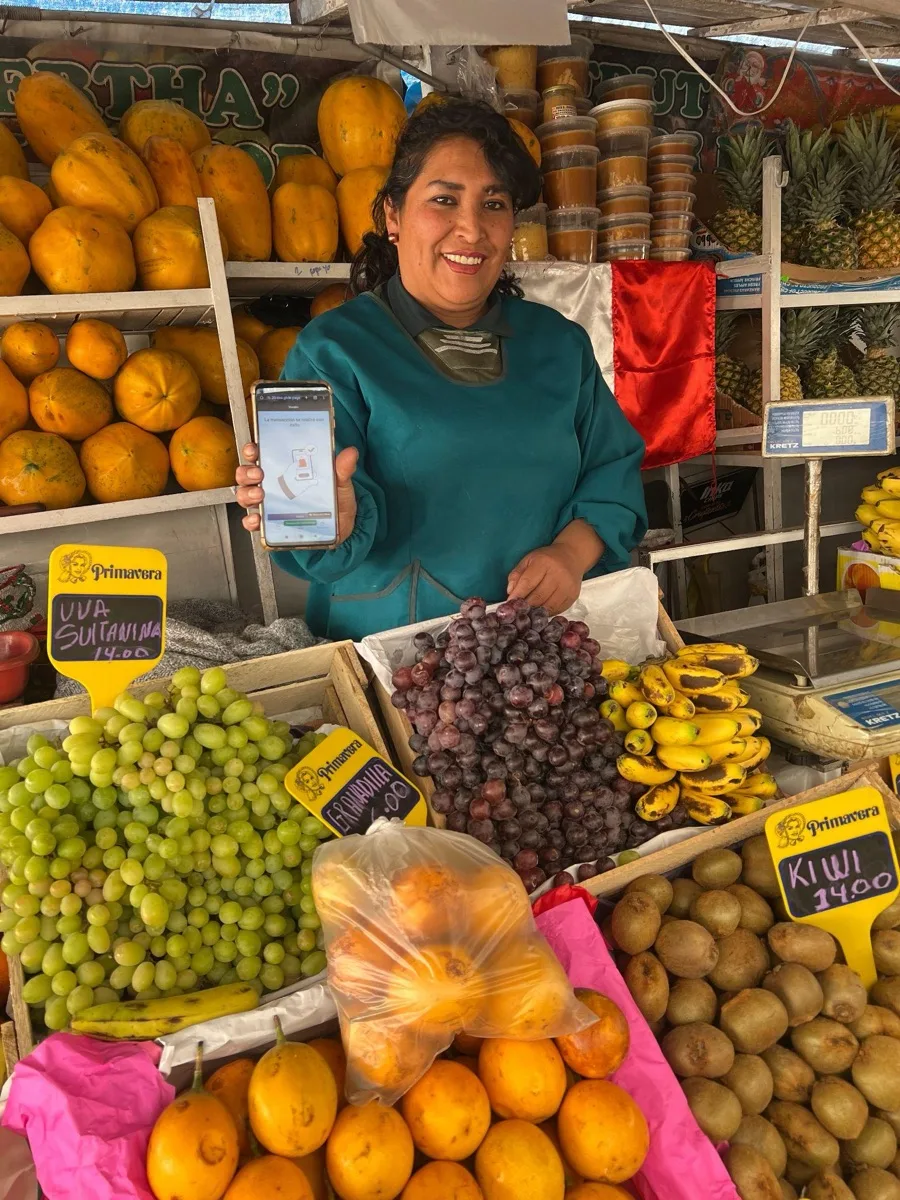
A market seller in Cusco shows the wallet · Photo: Xcapit